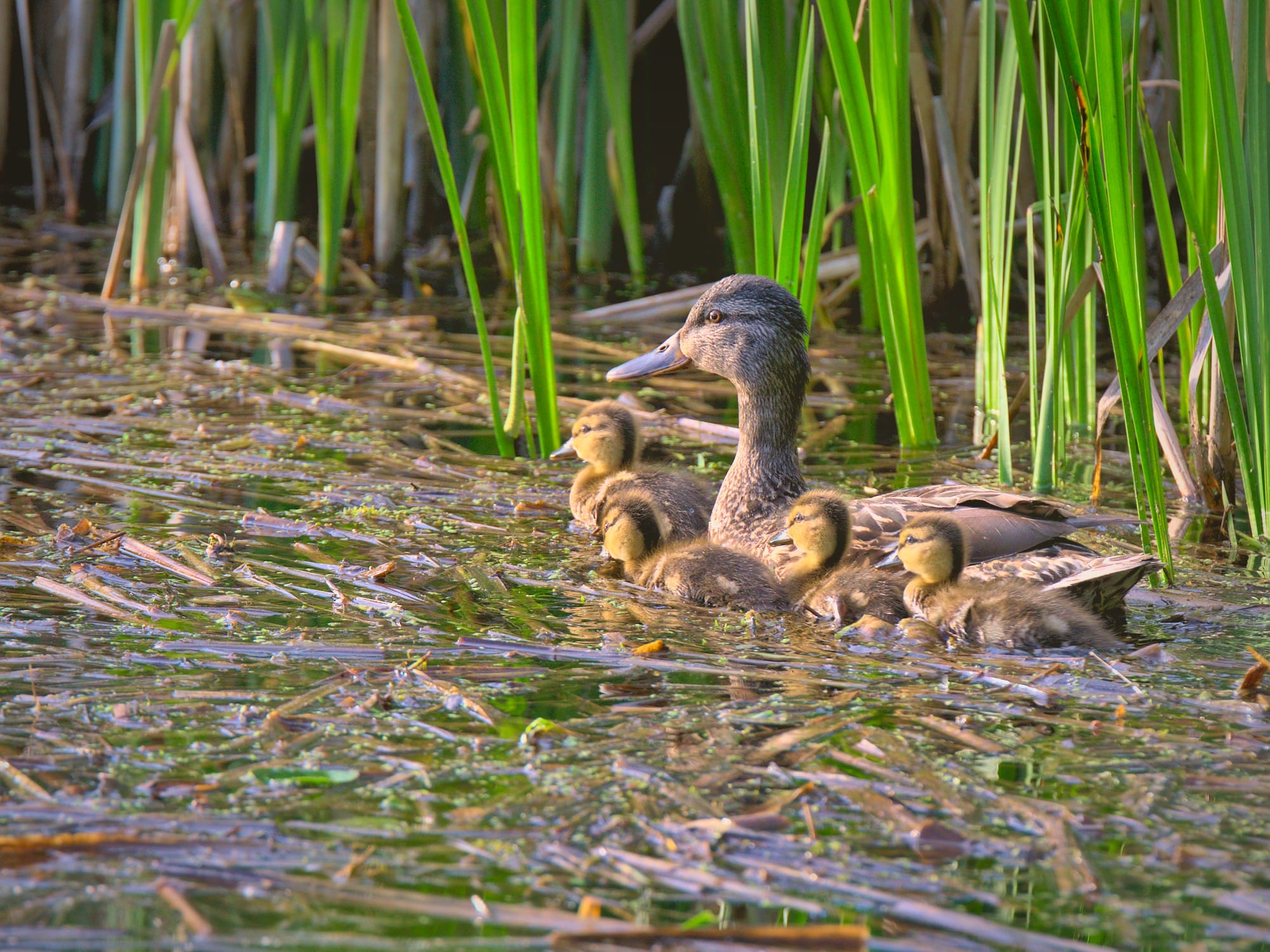
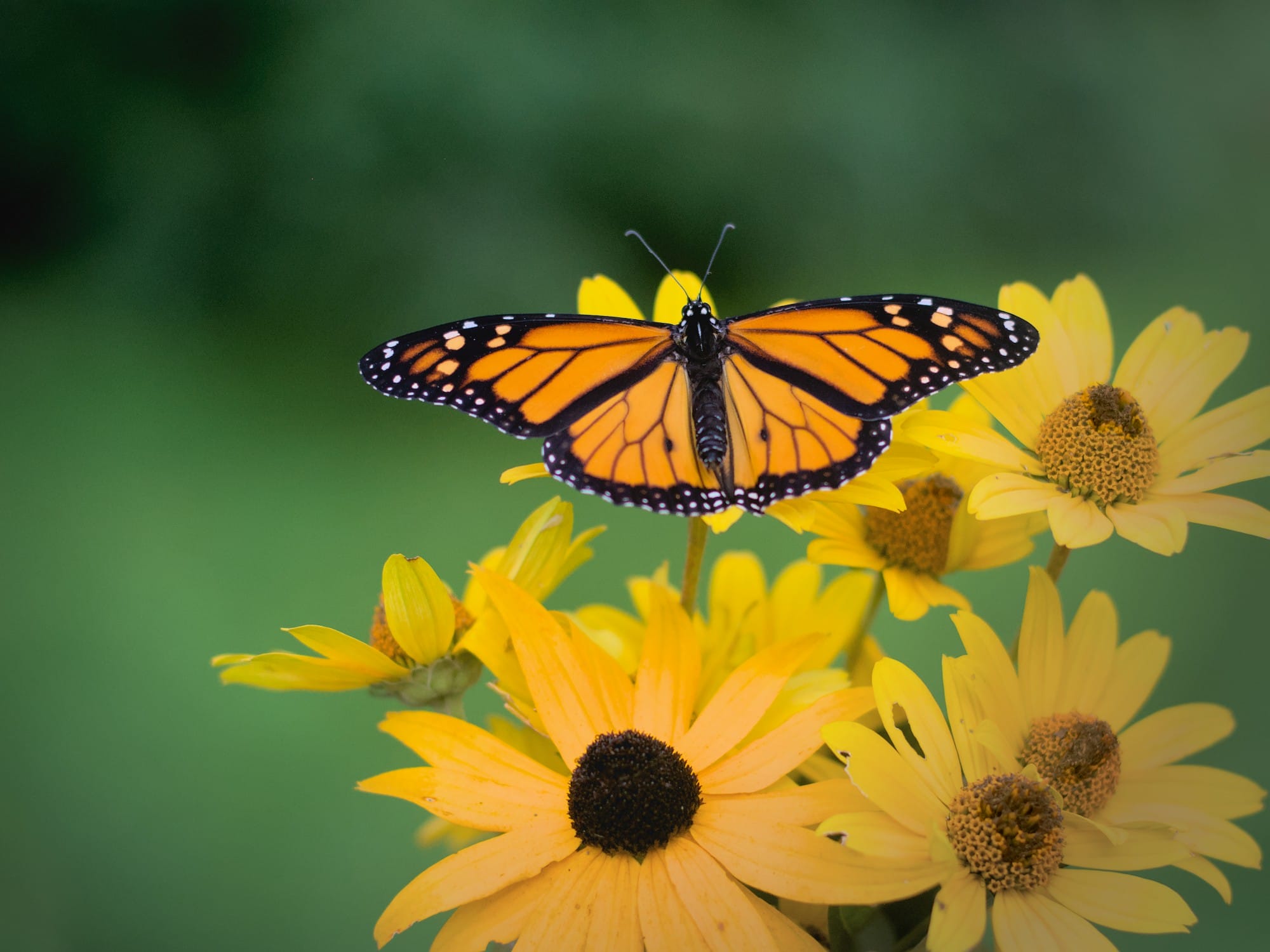
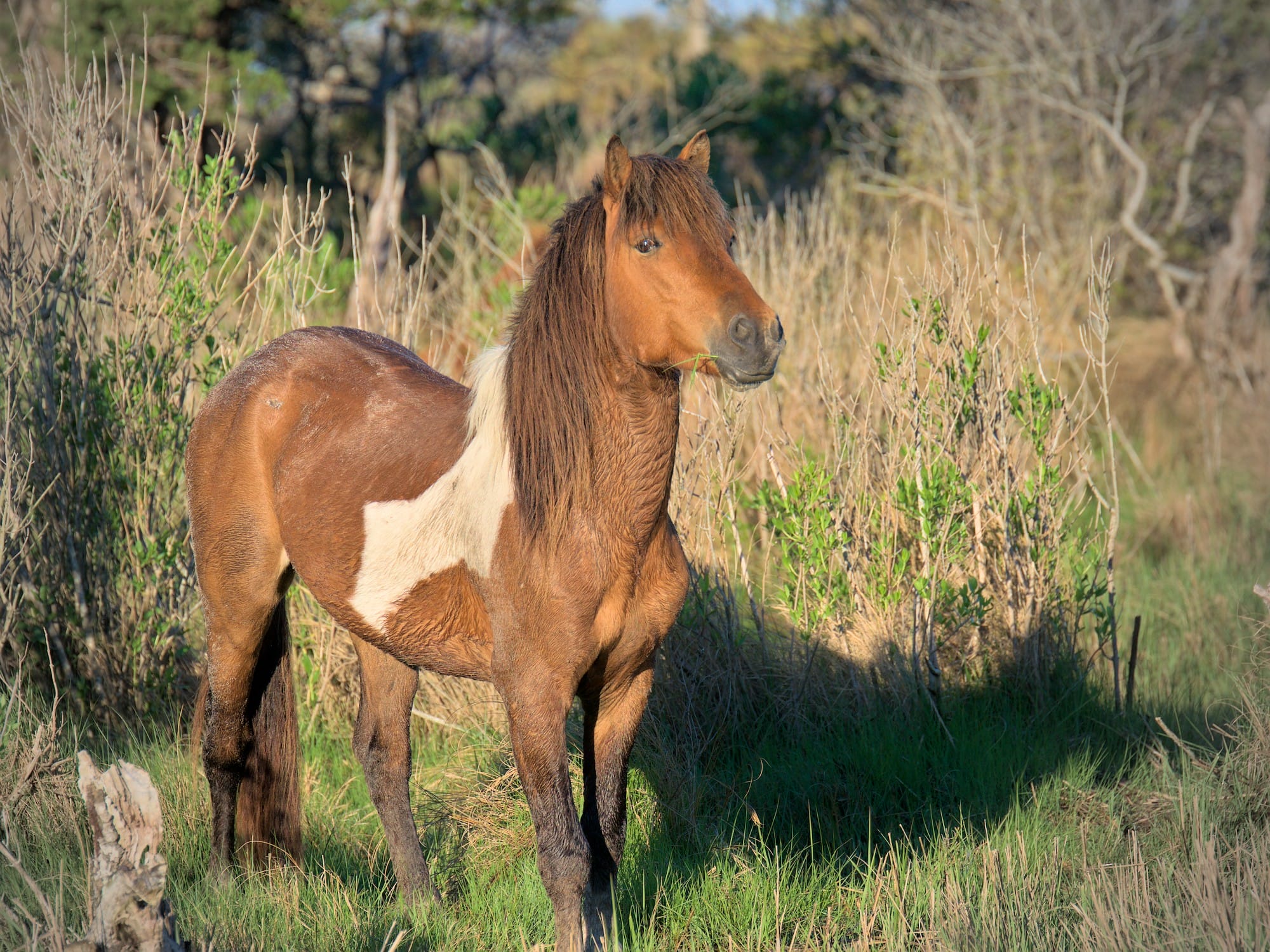
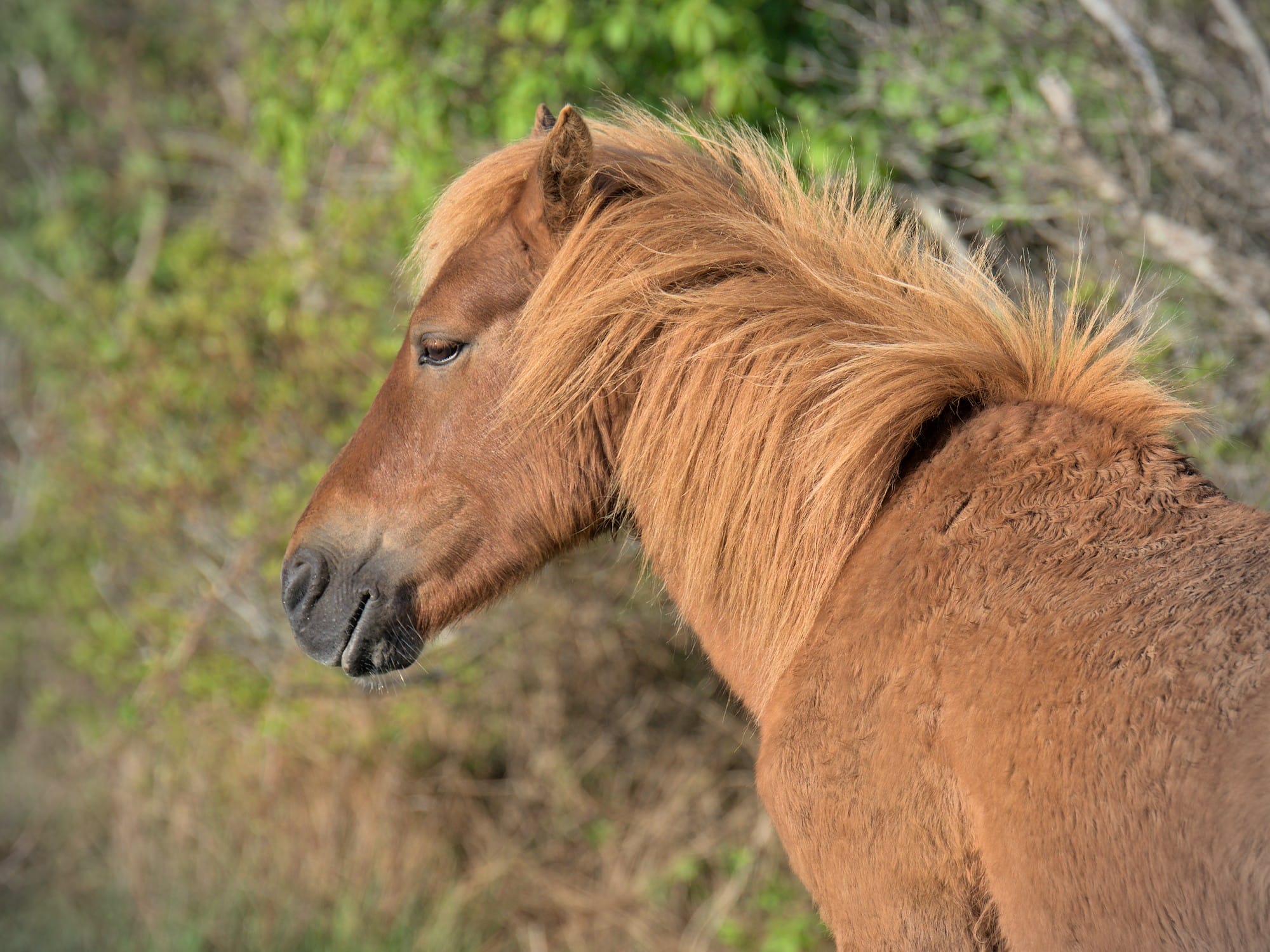
@dfrazer
Forum Replies Created
-
AuthorPosts
-
David FrazerParticipant
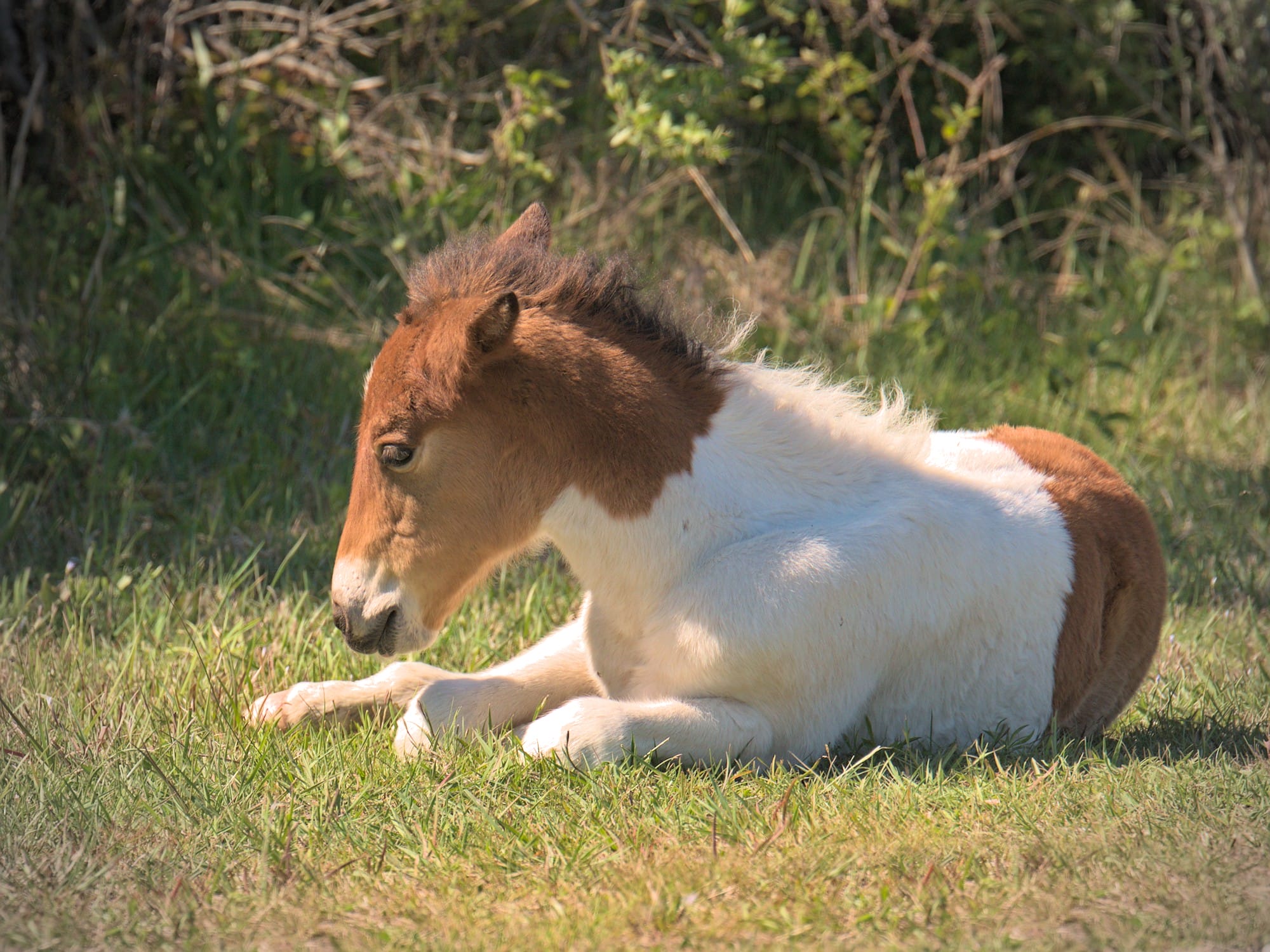
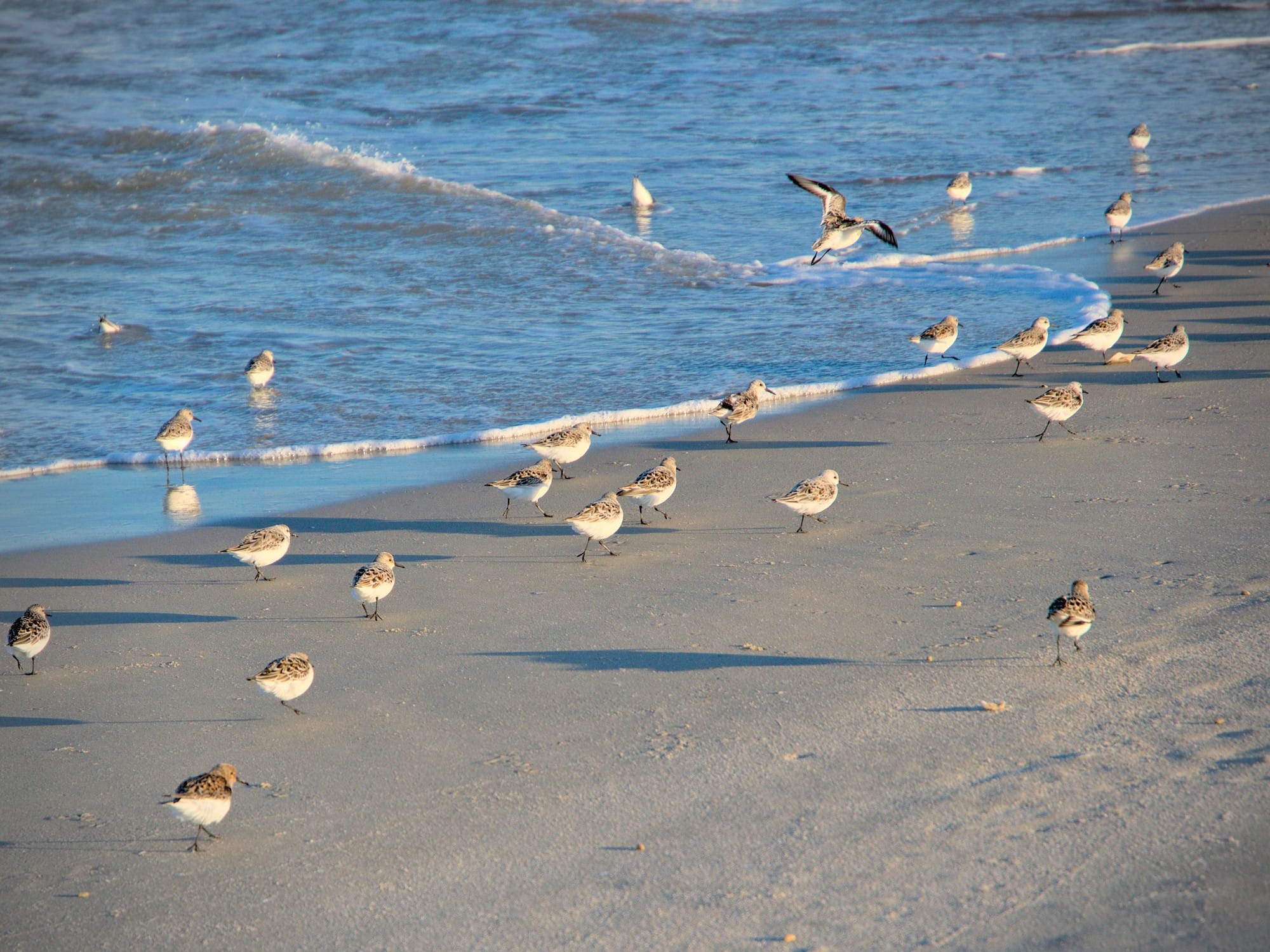
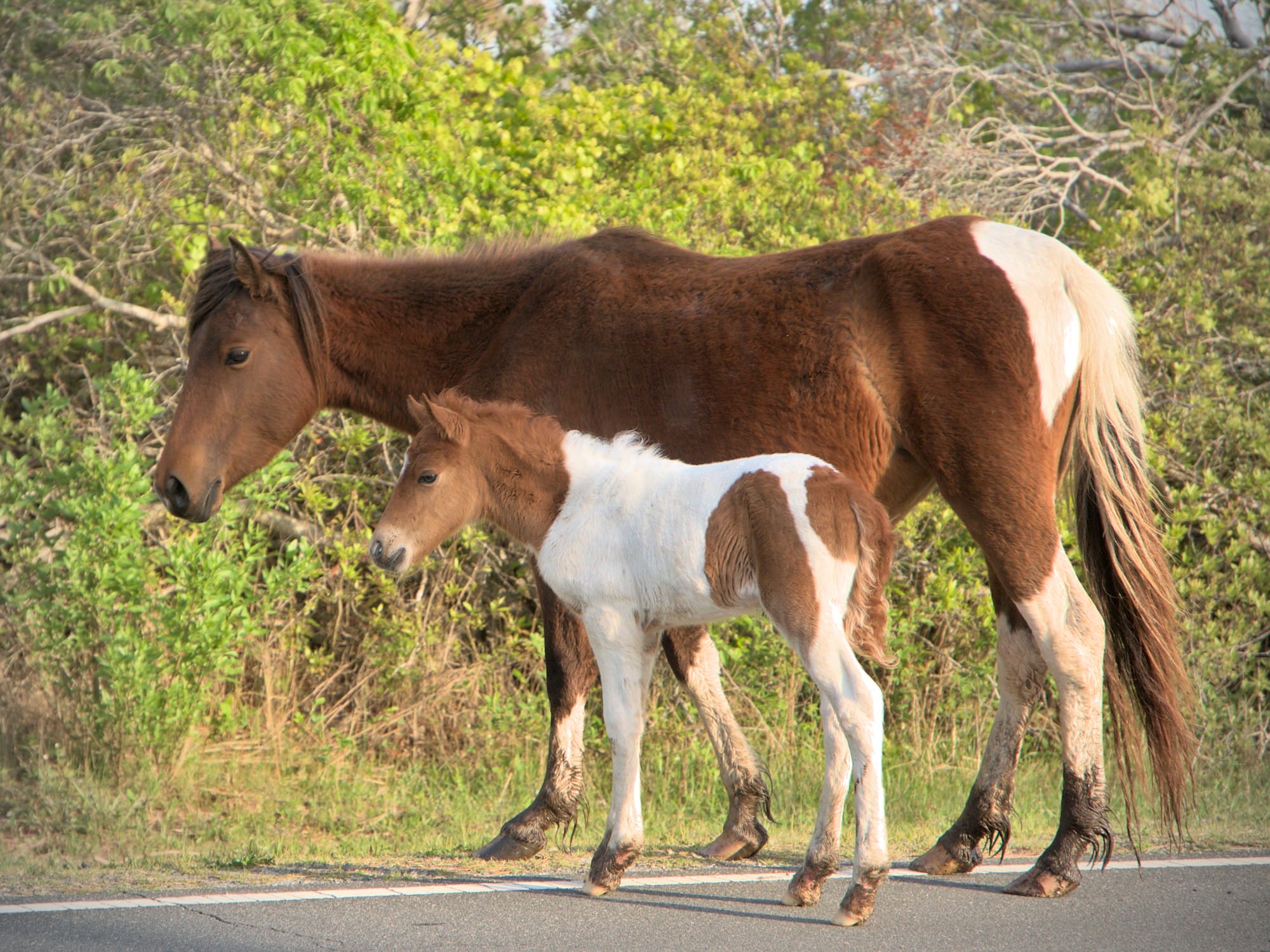
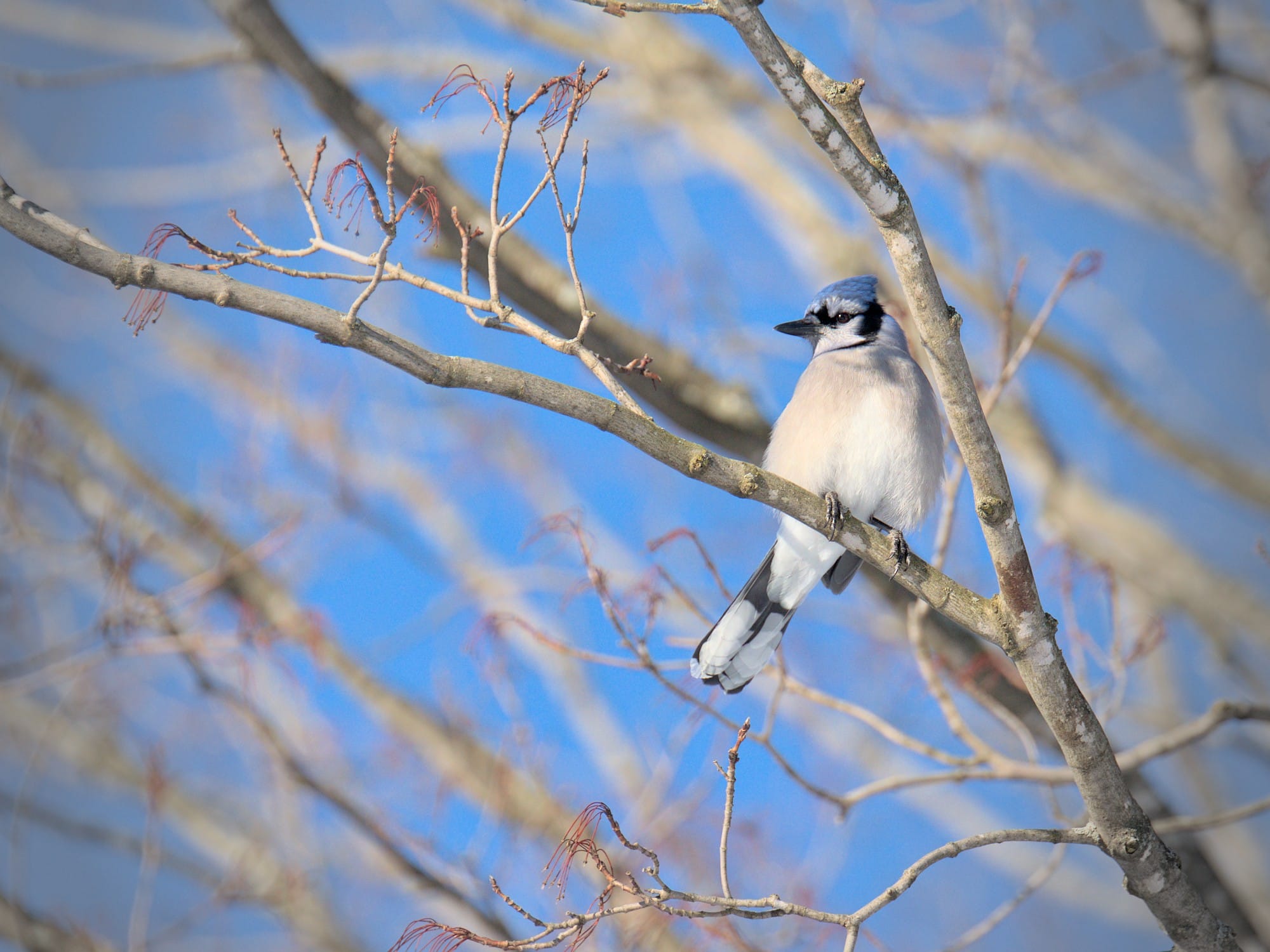
and now the last ones…
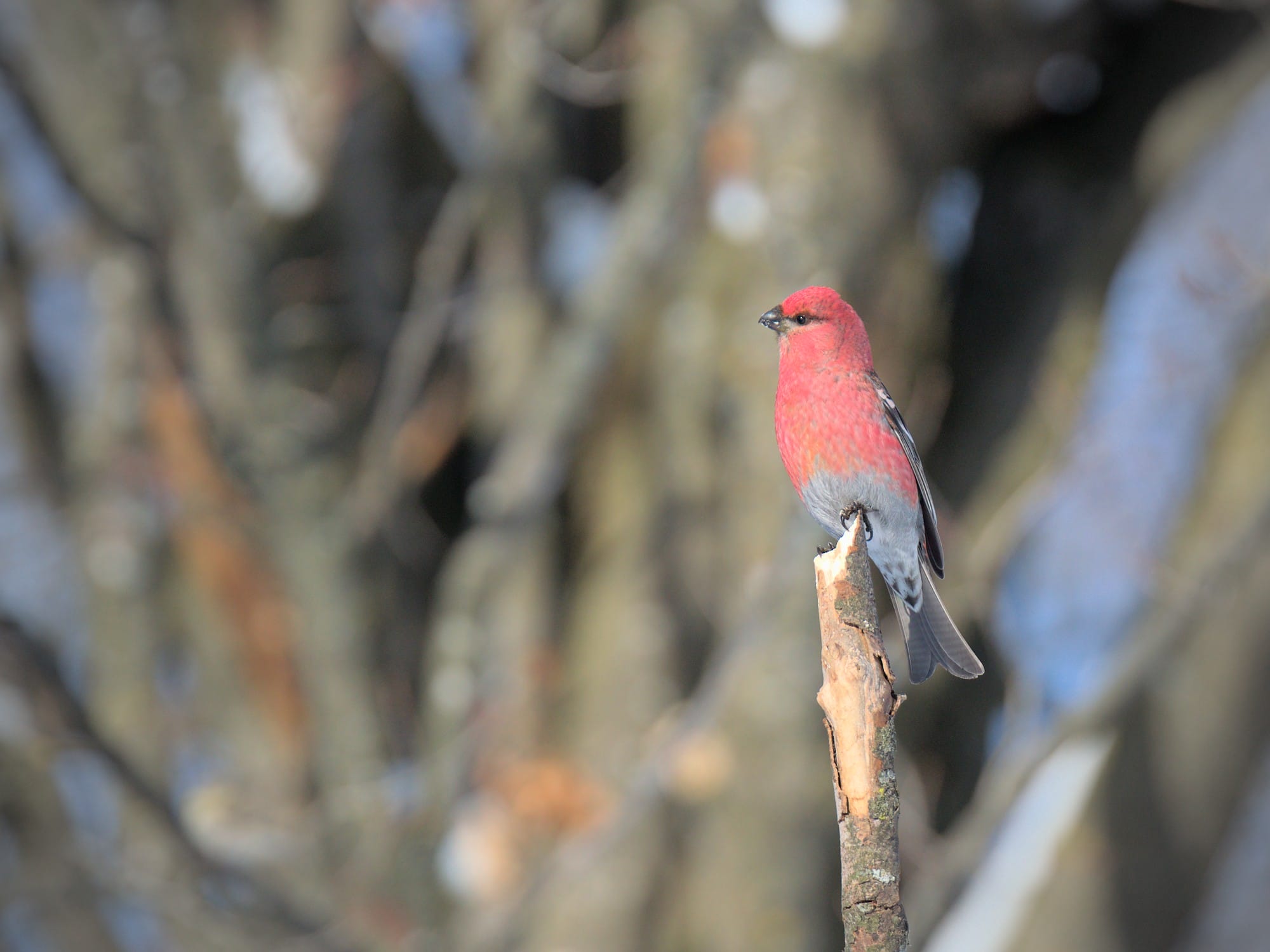
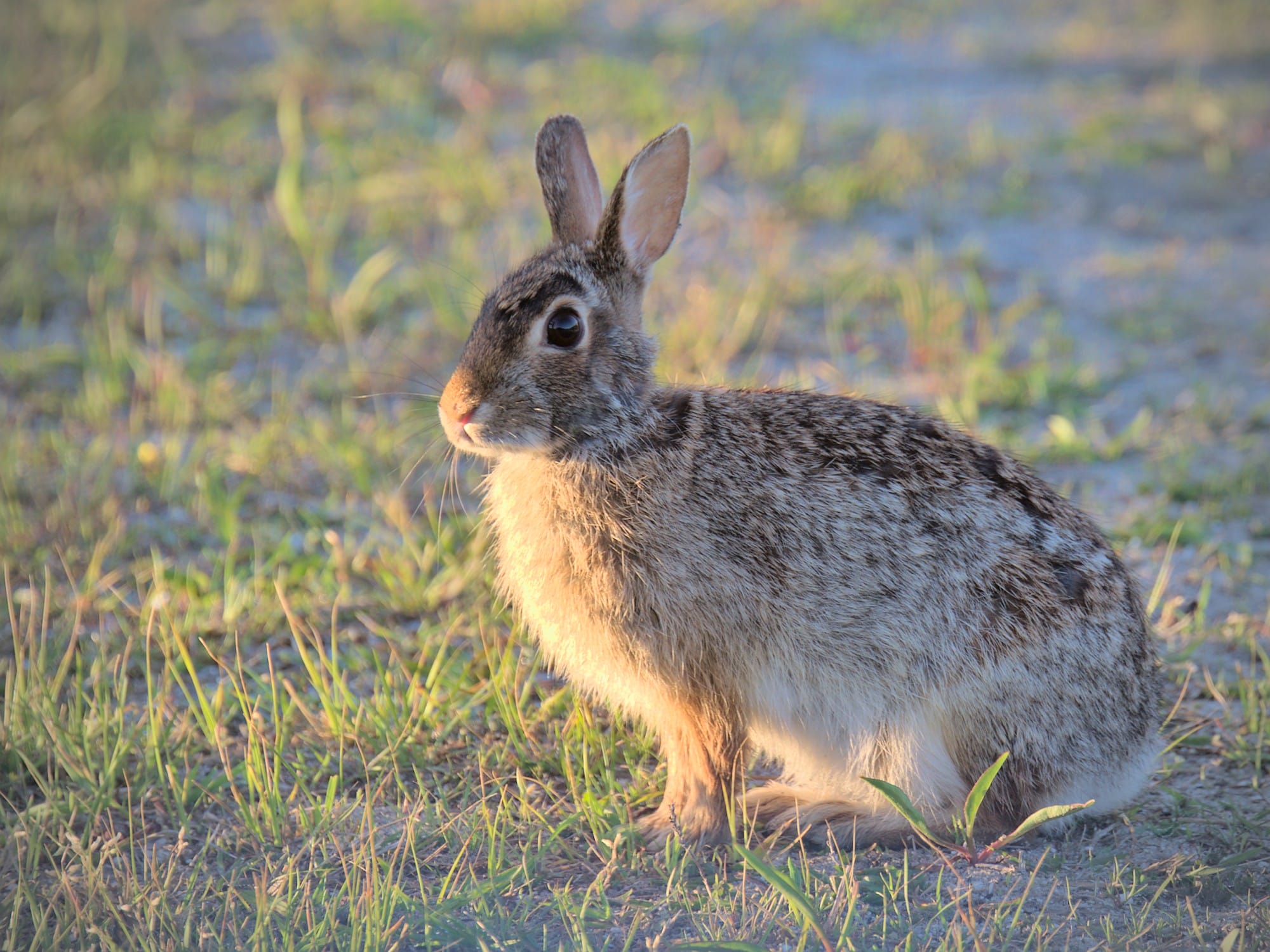
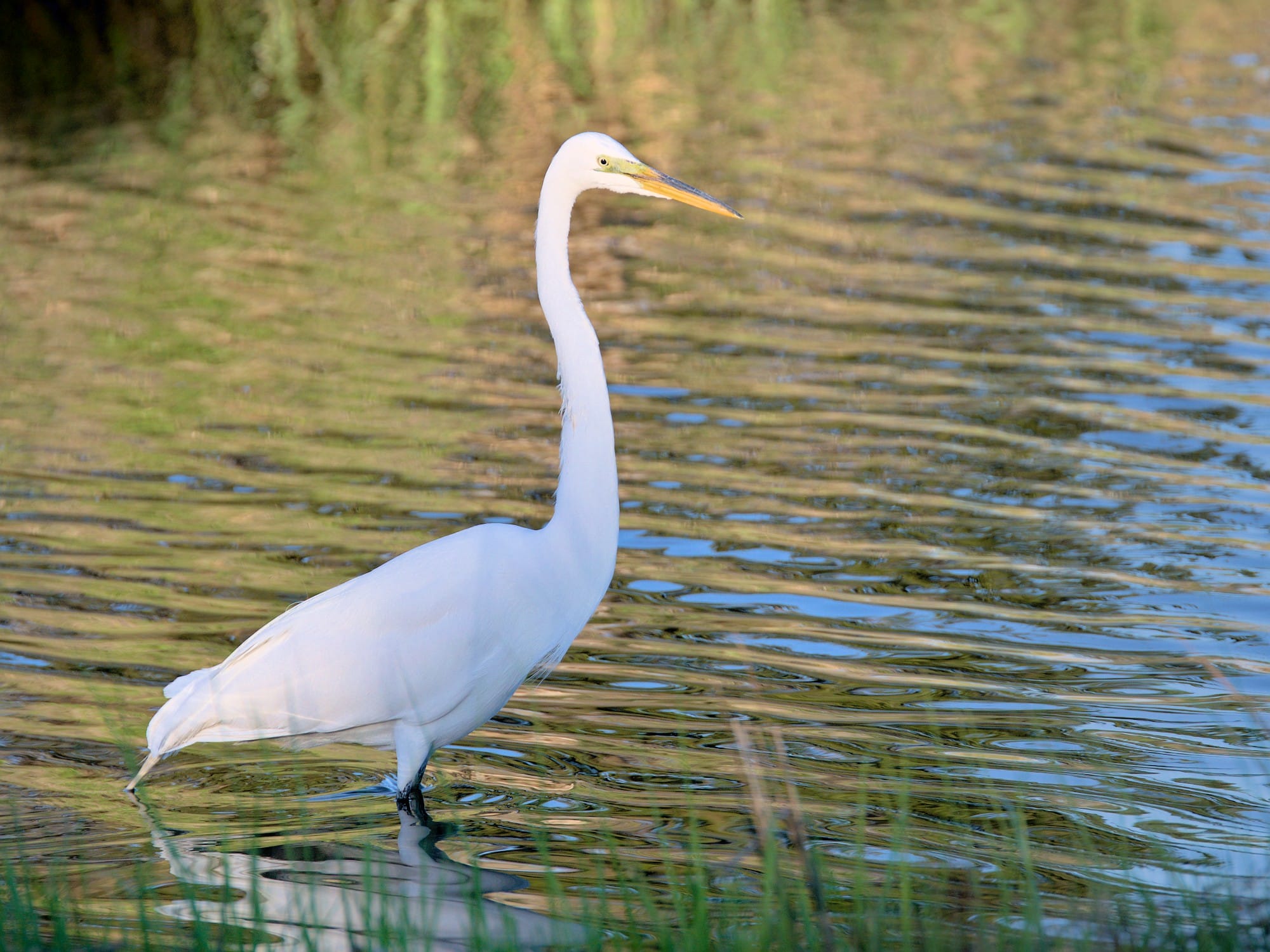
I really like photographing wild animals!
Attachments:
David FrazerParticipantand some more
Attachments:
David FrazerParticipantHere are some of my calendar photos. Elizabeth Frazer
Attachments:
David FrazerParticipantYou will definitely enjoy having the extra reach with the 75-300mm!
For anyone else viewing this thread, if you specifically want to “zoom in” on small objects, like flowers or insects, you could also look at getting a set of extension tubes. They are pretty inexpensive and allow you to focus closer with whatever lens you have.
Just make sure you get ones that allow auto-focus.
David FrazerParticipantThere is really only one rule when it comes to storage: have more than one copy. Everything man namde can fail in this fallen world, so ideally you should have more than one copy on more than one medium in more than one location.
Beyond that it all depends how much you are willing to pay to keep your photos. As @nateb mentioned, cloud storage is certainly an option for one of your copies. Magnetic (rotating) hard drives and solid-state (SSD) drives are other medium options. Cloud storage adds the off-site protection as well, but you could also leave one hard drive backup at a friend’s house and swap drives from time to time.
Personally, I have had drives fail completely, but have not yet (as far as I know) had partially corrupted files except on drives that were about to fail or during transfer, so bit rot is not my biggest concern.
David FrazerParticipantDid you mean to make the verticals perfectly vertical, like this? That would be called “perspective correction” or “rotate and perspecctive”, or something similar, depending on your software.
Attachments:
David FrazerParticipantHere are my photos ~ Elizabeth Frazer
Attachments:
David FrazerParticipantI recently went through the work of researching laptops, not as my main editing station but as a backup and for on-the-road editing. I wanted something that would handle photo editing easily and some light video editing as well. What I discovered is you want almost exactly the same specifications that they put into “gaming” laptops.
batch processing: CPU important (you can compare CPU benchmarks – multi-core is what is important)
large programmes: RAM important (minimum 32GB when running Windows and Photoshop)
fast editing and rendering: graphics card important (minimum 2GB VRAM, ideally 4; GPU benchmarks can be useful also)
long days without power: battery size important
colour accuracy: screen quality important
easy transfer of photos: SD card reader important (a dongle works, but is inconvenient)
storing lots of files on the computer: hard drive space important
not a millionaire: price importantI personally would shy away from touch screen for a photo editing computer because of fingerprints.
For me, the hard drive space and battery size were less important, so I put less importance on those aspects. Being a rather analytical and detail-oriented person (which is why my posts and sentences tend to run longer than necessary) I made a long spreadsheet with about three dozen laptops that could be interesting with the links, the price, and all the different specs colour-coded to help me see which was best for my needs. My research is a few months old now and was done for Canada, so unfortunately the individual computer research I did won’t help you.
Attachments:
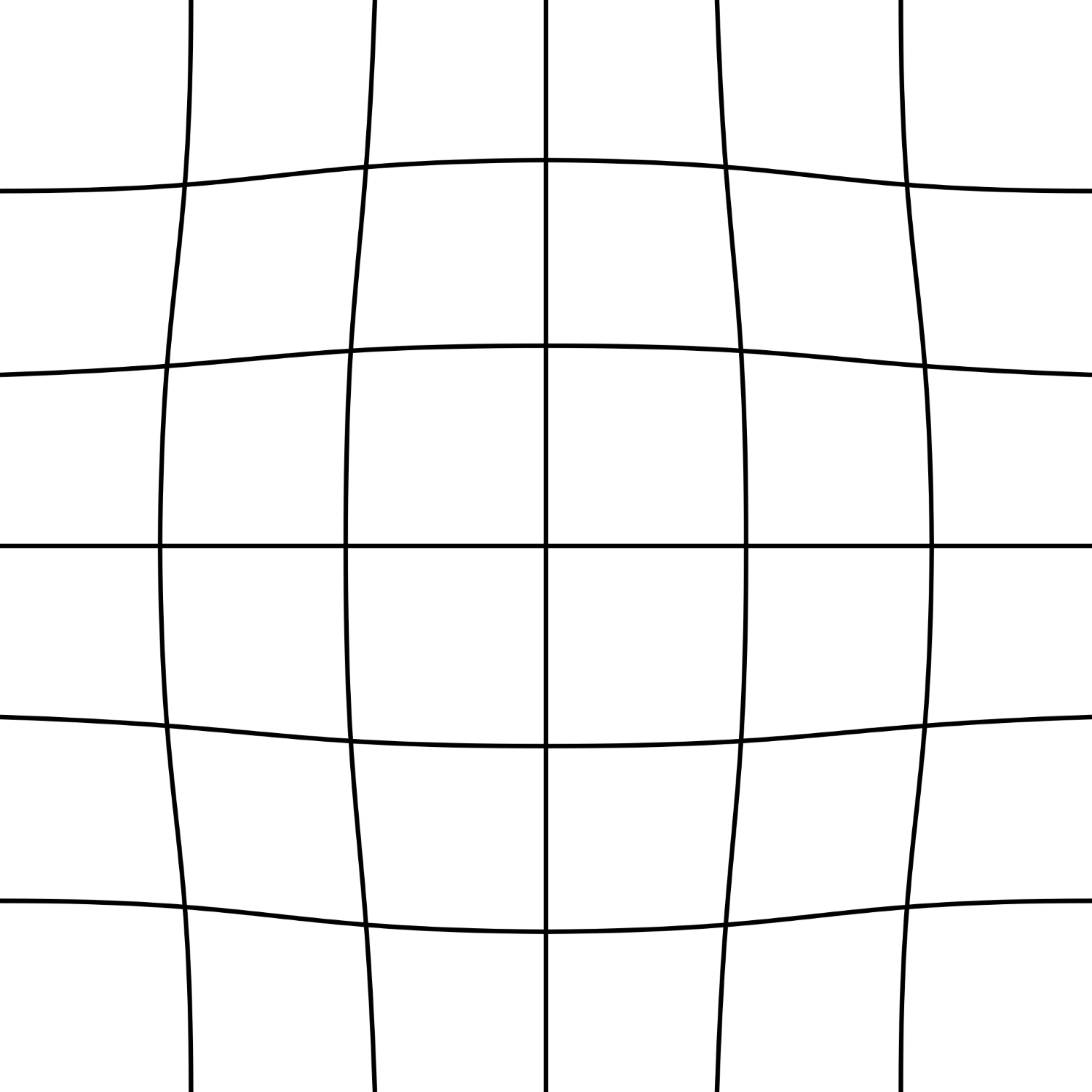
David FrazerParticipantSo, for those wondering what lens distortion is… Distortion is a normal problem that comes from bending light through lenses. To get a good idea of distortion, look at some straight lines through a magnifying glass. Lens manufacturers try to compensate for this bending by using multiple lenses to cancel out the distortion, but it’s always somewhat imperfect. Barrel distortion is commonly found in wide-angle lenses and pincushion distortion is found especially in telephoto lenses.
It looks like this lens is suffering from moustache distortion, which is a combination of both, and is often found in wide zoom / all-in-one lenses like this 16-300mm. Rather than doing a manual correction you could try using Lightroom’s automatic lens correction. If they have a profile for this lens / camera combination it could do a better job than a simple manual correction.
If that fails, you could technically do two opposite manual distortion corrections with slightly different parameters, though I have never tried that, so I’m not sure it would actually work. As a last resort you could crop in quite heavily, but that is probably not what you wanted to hear.
-
This reply was modified 1 year ago by
 David Frazer. Reason: corrections
Attachments:
David FrazerParticipantand the other 3 photos.
Attachments:
David FrazerParticipantHere are some photos of four of my siblings.
~Elizabeth-
This reply was modified 1 year ago by David Frazer.
Attachments:
David FrazerParticipantlast 2
Attachments:
David FrazerParticipantnext 5
Attachments:
David FrazerParticipantThese are my 12 best photos of the year so far.
~Elizabeth~
Attachments:
David FrazerParticipantIt looks like right now you are shooting with the D80 and a 18-55mm f/3.5-5.6G. Something in the D3000 or D5000 series would be a similar crop-frame camera and compatible with your current lens. In Nikon generally the higher the number, with the exception of the first digit, the newer the camera. For example, the D3600 is newer than the D3400, but may or may not be newer than the D5500.
B&H has a large selection of used and refurbished, as does Adorama. Both are in NY city, but are also huge online camera stores with great reputations.
If your budget allows, do not skimp on the lens you pick. A general rule of thumb I heard once is, to get the best quality photos for the price you should get a lens that is worth as much as your camera body. If you get a prime lens (no zoom) that might not apply, but for a general zoom, I would tend to agree. For a D3000 or D5000 series you will want to make sure there is a focus motor in the lens. Full-frame lenses work on crop cameras, but not the reverse.
-
AuthorPosts